

The Winter Cave


It's the eve of the full moon and the second eclipse of the year - a supercharged time to send out words from a time and place that feels the opposite of energized; this month of illness and solitary travel has been predominantly one of of depth, inner stillness and a sense of fumbling in the dark. A fallow time, a pause. I'm hovering between worlds, and above all the options that reach out into the unknown like pathways through the forest. What I'd like to know: where are the breadcrumbs?
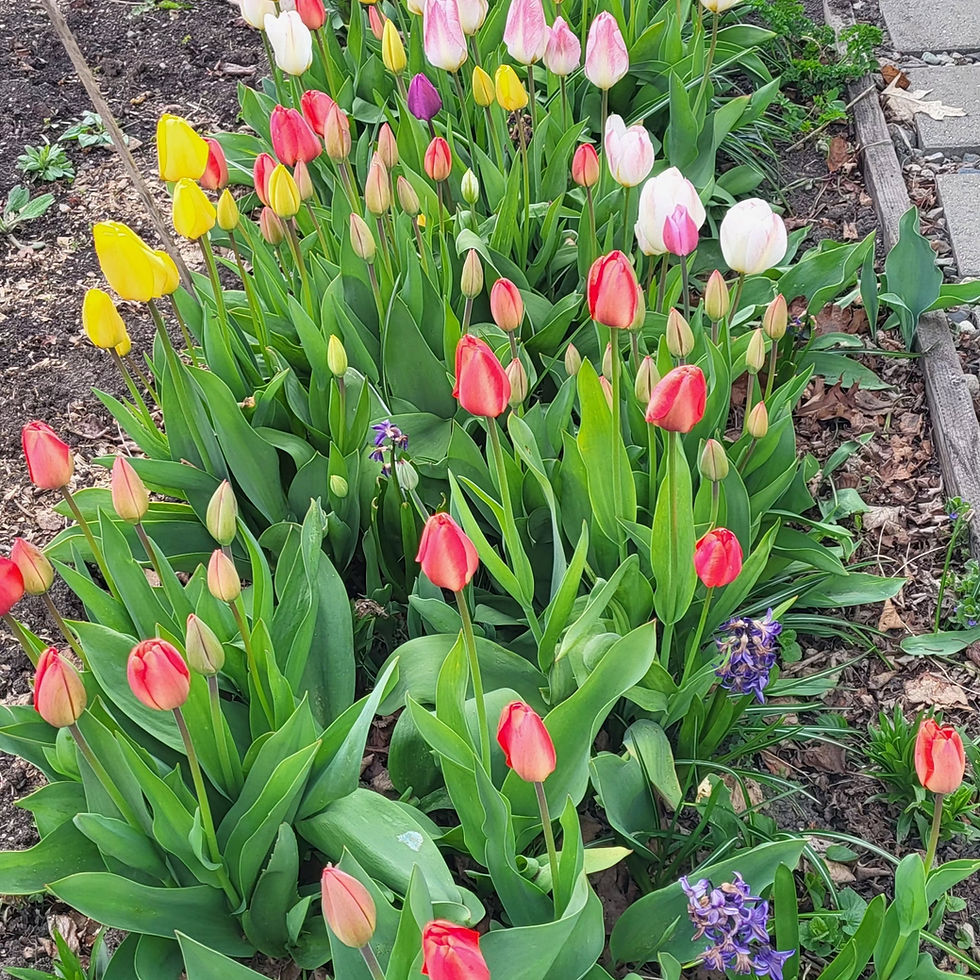
Since my last post, I've moved from central Germany to northern England, and we are of course moving towards Spring, as well: especially here in the temperate UK, it's been raining for weeks while the daffodils, snowdrops and crocuses tentatively pop their heads out.
But for me, psychologically - and for much of the Northern Hemisphere - it's still winter, and in the low-ceilinged old house where I am pet-sitting for another two weeks, I've been leaning into the inner experience of late winter with lots of rest, fires in the woodburner, journal writing and slow movement. As I make space for metaphor, archetype and fairy tales in my life and my practice (and in my work developing The Living Edge program) I have been reflecting on the power of the Cave as a symbol (among others I will share in upcoming posts) - an energetic space as well as a profound and therapeutic (if challenging) experience that can be cultivated in the service of inner work and growth.


A cave can symbolize a place of retreat, an escape, or a hide-out, and as such offers quiet, protection, and rest. But it also presents us with the challenge that comes with facing the darkness: fear, unknowns, and risk. In Western psychology, Carl Jung and Joseph Campbell describe the cave as a symbol of our unconscious - the place we connect to for "shadow" work to begin. Clarissa Pinkola Estes and Sharon Blackie (two of my favorites) also draw on the symbol of the cave to represent a psychic container that can hold subconscious or repressed parts - clues in the puzzle of uncovering our true Self, that can be obscured by the blinding light of everyday tasks and societal obligations (as well as by the physiology of trauma). If we enter the Cave, with intention and presence, we may begin to find lost parts of ourselves, and can then choose to work on accepting those parts, listening to them, and bringing them into alignment with our "outer" lives (this 'parts work' is only one way to go about our time in the dark).
Sometimes the Cave can also be an experience that is thrust upon us by external circumstances, and we may be dragged in unwillingly, making it more of an initiation (akin to the Hero/ine's Journey) and an opportunity to surrender, while deepening our connection to our true Self - but it is certainly no easy task. Ancient myths and stories often describe this as the Underworld - and though I'm not going to get into all the wonderful elements of stories like that of Persephone and Demeter, there is a wide cultural frame around what an "underworld" experience can be.
Back in the psychological realm, this work may involve sitting with uncomfortable feelings like grief and anger (with tools/support!), learning to 'see' in the dark,taking an interest and perhaps recording/studying our dreams, and welcoming reflection and old memories to come to the surface. All of this might inspire the creative cave dweller to make something out of raw materials such as clay, to stir a cauldron nestled over a transformative fire, or to prepare a potion imbued with wishes for the future. There's my fairy tale brain (as one client called it) taking over again! Maybe the Cave is also place of desperation and doubt, with no creativity present at all; one that brings you to your knees and urges you to reach out in despair to helpers and guides you may not have known existed.
And as an art therapist who loves a good metaphor, I know that we each will have our own associations with this word; our own shapes and colours, dreams and wishes - these accompany us in our own unique 'excavations.' While acknowledging the power of archetypes and symbols, still, no two experiences are the same.

This passage from one of my favourite books, Women Who Run with the Wolves, is a beautiful example of Cave story and symbolism:
"There is an old woman who lives in a hidden place that everyone knows in their souls but few have ever seen. As in the fairy tales of Eastern Europe, she seems to wait for lost or wandering people and seekers to come to her place...
The sole work of La Loba is the collecting of bones. She collects and preserves especially that while is in danger of being lost to the world. Her cave is filled with the bones of all manner of desert creatures: the deer, the rattlesnake, the crow. But her specialty is wolves...
We all begin as a bundle of bones lost somewhere in a desert, a dismantled skeleton that lies under the sand. It is our work to recover the parts. It is a painstaking process best done when the shadows are just right, for it takes much looking. La Loba indicates what we are to look for - the indestructible life force, the bones."
(Clarissa Pinkola Estes)

It's no wonder to me that the verb, excavate, holds the word cave within it. In metaphorical Cave experiences - as with practices I wrote about in my last post, such as slowing down, increasing rest, and using insightful practices such as journalling and dream recording - sometimes what comes up in the darkness, from the depths, is painful, spiky, difficult to hold or understand. It takes a strength of spirit (a strength that can be gained in the Cave!) - a process of excavation - to make space for and accept difficult feelings, process old memories, and ask for help when it truly feels intolerable.
The Cave is not meant to be grueling therapy that one undertakes in isolation - though life itself can sometimes present isolating circumstances. It's a mentality one can cultivate, and a symbolic place that one can access - ideally some choice and intention - as a part of difficult, disorienting or transitional stages of life.
And it's a lot more to explore than one blog post could ever do. In my own Cave season, alone in another country, working on a creative project that is providing its own psychological challenges, I am soaking up the wisdom of writers and philosophers before me - as well as the wisdom in Nature - that can support times of darkness, fallow fields and 'no growth.' We all know in the natural world, so much is happening below the surface even when things seem dead, and that winter is necessary before spring can emerge. Patience and trust can be the hardest things to cultivate in the Cave.
Though here the grass is green, and warmer, sunny days are beginning to outnumber the cold rainy ones, I am going to linger in my cave for a little longer, tending to my body and listening to the inner voice that emerges when I let silence, solitude and darkness have their time.
Another great quote that has been keeping me company through this lean time:
"Have patience with everything unresolved in your heart and try to love the questions themselves as if they were locked rooms or books written in a very foreign language. Don't search for the answers, which could not be given to you now, because you would not be able to live them. And the point is, to live everything. Live the questions now. Perhaps then, someday far in the future, you will gradually, without even noticing it, live your way into the answer."
(Rainer Maria Rilke)
(I guess that answers my breadcrumbs question?!)
Thanks for reading along, and I'll try to write sooner next time (to align with the new moon, and Spring Equinox!)



Comments